





The water quality of lakes, rivers and canals continues to decline.
The latest report from the Environmental Protection Agency (EPA), shows 48% of surface waters are in an "unsatisfactory ecological condition".
Improvements were recorded in areas where targeted action was taken, however, goals to restore all waters to 'good' or 'better' status by 2027 are set to be missed at national and EU level.
Director of the EPA's Office of Evidence and Assessment, Dr. Eimear Cotter, said there are a number of causes.
"It isn't any one particular sector, and this is what makes it difficult and challenging.
"Agriculture is the most prevalent pressure, it impacts on about a thousand water bodies around the country.
"After that, we have physical alterations, forestry operations, and also discharges from urban wastewater.
"So really the impact in the environment is nutrient levels are too high - there's too much nitrogen and too much phosphorous".
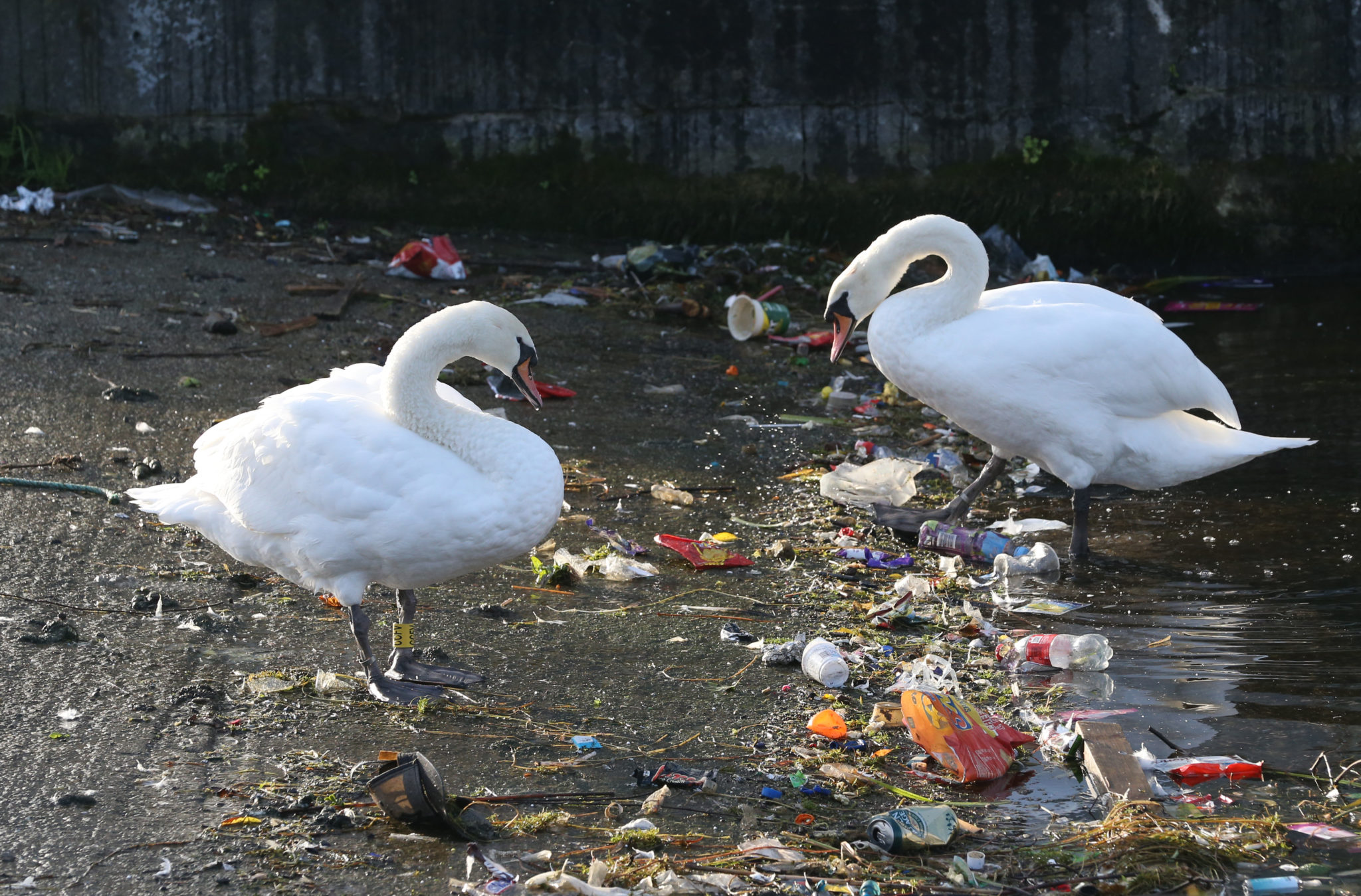 07/12/2020 Pictured are swans looking for food among the litter and rubbish pollution at the River Liffey at the Grand Canal Docks in Dublin. Photo: Sasko Lazarov/RollingNews.ie
The report is based on information, collected over the six years up to 2024, relating to water quality and pollution in 3,189 rivers, more than 800 lakes, 160 estuaries, almost 100 coastal waters, 512 groundwater bodies, and 16 canals.
The EPA says 52% of these water bodies are in satisfactory ecological health, down from 54% three years ago.
Estuaries and coastal lagoons came out worst with 70% deemed unsatisfactory.


